Amateur Radio Station
W7BL
73 from La Grande, Oregon
- Grid
- DN05
- ITU Zone
- 6
- CQ Zone
- 3
About
Welcome to W7BL. I'm Tyson, an amateur radio operator in La Grande, Oregon, active on HF and VHF with a focus on phone and digital modes.
- Callsign W7BL License Class Extra
- Location La Grande, Oregon, USA
- Hobbies Ham radio, snowmobiling, fishing, hunting, camping
- Radio Roles ARRL Union County, Oregon ARES Emergency Coordinator; ARRL Volunteer Examiner; W7GRA Club Secretary
- Volunteer Ham radio support for the Eagle Cap Extreme dog sled race and the Elkhorn Relay
- Memberships ARRL, Grande Ronde Amateur Radio Association, Spout Springs Repeater Association, AMSAT
License Exams
I'm an ARRL Volunteer Examiner with W7GRA. The club schedules exam sessions in the La Grande area — check the W7GRA site for dates, or contact me if you're interested in testing.
Station
HF Transceivers
- Icom IC-7610
- Icom IC-7300
VHF Transceivers
- Icom IC-9700
- Yaesu FTM-400
Antennas
- OCF dipole (80–10m)
- 2m/70cm vertical
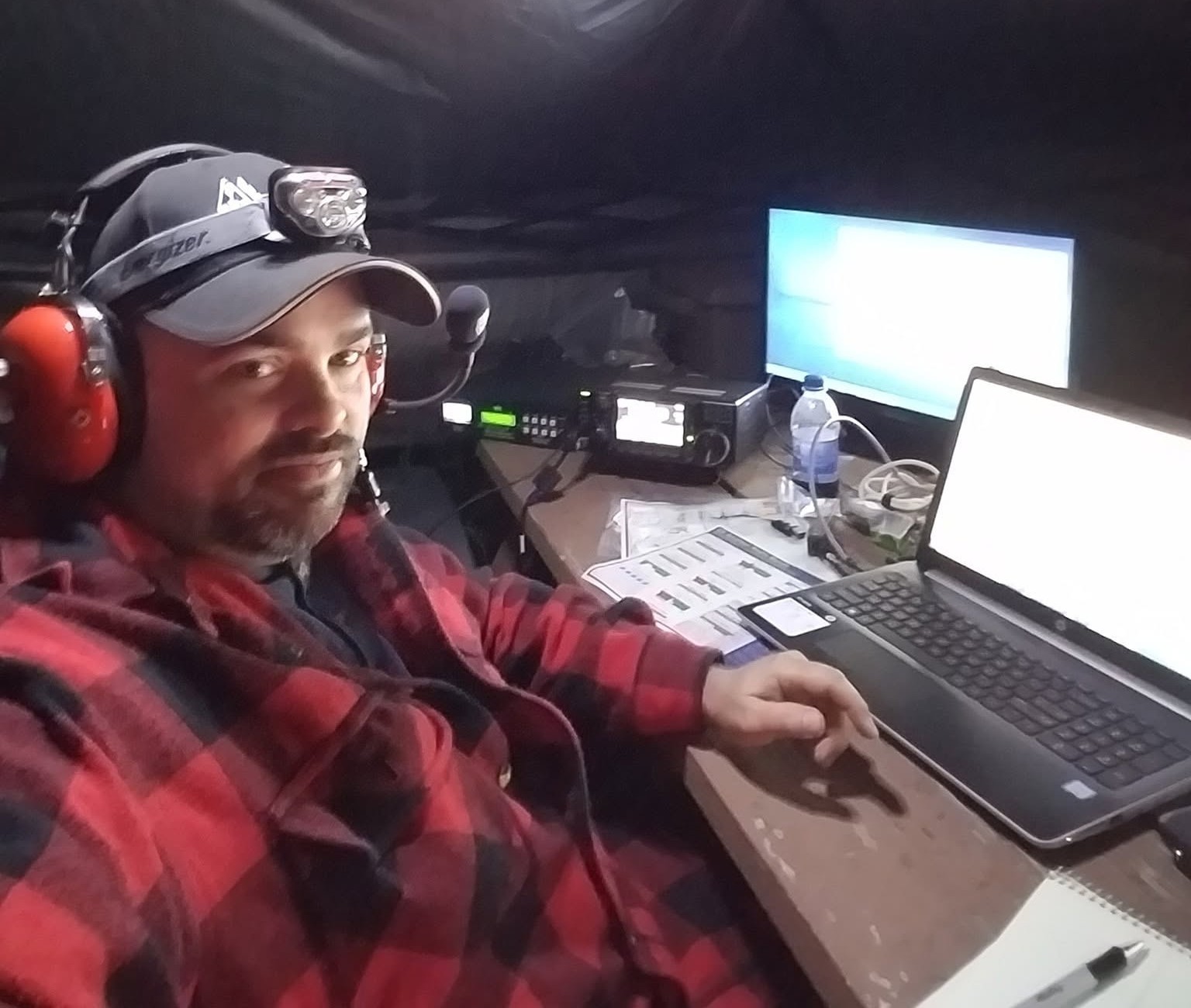
On the Air
I enjoy ragchewing, contesting, and chasing DX. Look for me on the bands below.
- Modes SSB, FT8, FT4, PSK31
- Typical Hours Evenings and weekends (Pacific Time)
- Favorite Activities Ragchewing, contesting, casual DX
Local Weather
Live weather conditions from the W7BL WS-5000 station in La Grande, Oregon.
- Humidity
- —
- Wind
- —
- Pressure
- —
- Rain Today
- Dew Point
- —
- UV Index
- —
HF Propagation
Space weather from NOAA and ionospheric data from the Lowell GIRO Data Center.
Space Weather
- K-Index Planetary K-index (0–9) tracks geomagnetic disturbance. Low values mean quiet bands and better HF DX; high values bring auroral absorption, noisy conditions, and rough polar paths.
- 10.7 cm Flux (SFI) Solar flux at 10.7 cm (SFU) reflects overall solar activity. Higher flux strengthens the ionosphere and helps 20m, 15m, 12m, and 10m openings; low flux often means weaker high-band DX.
- Sunspot Number Count of visible sunspots on the solar disk. Higher numbers usually mean better HF propagation and more DX, especially on upper HF bands near solar cycle peaks.
GIRO Ionosonde
- MUF (1,864 mi) Maximum Usable Frequency for a ~1,864 mile skip path. If MUF is above a band’s frequency, that band may support DX at roughly that distance.
- —
- foF2 Critical frequency of the F2 ionospheric layer—the highest frequency reflected straight up. Higher foF2 means a stronger ionosphere and support for higher HF frequencies.
- —
- Station
- —
- Confidence
- —
Likely Open Bands
Based on MUF (~1,864 mi) at the nearest GIRO station — a rough DX hint, not a forecast.
Data: NOAA SWPC and Lowell GIRO Data Center (CC BY-NC-SA 4.0).
QSL Info
QSL cards are always appreciated. I confirm all contacts via LoTW.
- LoTW Yes — preferred
- eQSL Yes
- Direct Available — check QRZ for details
- Bureau Via ARRL outgoing bureau
Links
Clubs and resources around eastern Oregon.
Organizations
- ARRL National association for amateur radio
- ARRL Oregon Section State news, nets, and exam info
- Grande Ronde Amateur Radio Association Local club and license exam sessions
- Union County ARES (K7UNI) Emergency communications
- Spout Springs Repeater Association Baker County repeaters
Testing
- W7GRA VE Sessions Volunteer Examiner team — La Grande area
- ARRL Exam Session Finder Search upcoming exams nationwide
Repeaters
- My Repeaters Personal 2m list for eastern Oregon
Contact
Feel free to reach out for a sked, QSL inquiry, or just to say hello. I'm also available via Winlink at W7BL.